






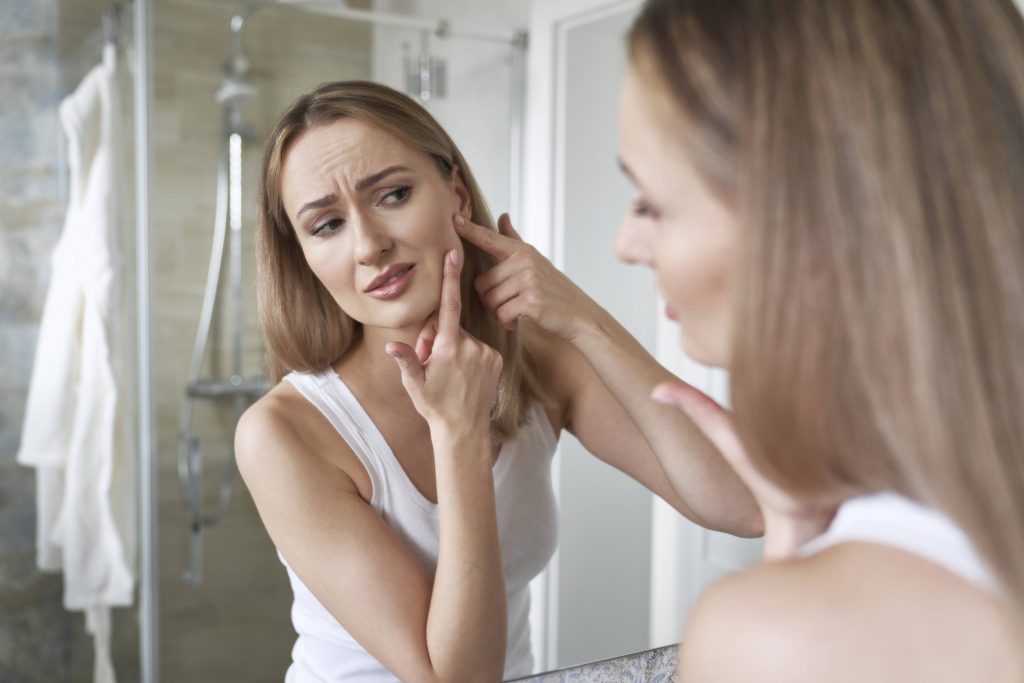
Acne is one of the most common skin concerns, affecting people of all ages and skin types. It can appear in various forms, including blackheads, whiteheads, and inflamed breakouts, often causing frustration and a lack of confidence. Acne develops due to factors such as excess oil production, clogged pores, bacteria, and hormonal changes. While it is a natural condition, many individuals seek effective ways to manage and reduce its appearance.
Fortunately, there are multiple treatment options available, ranging from simple skincare routines to advanced professional procedures. The key to managing acne successfully lies in understanding its causes and choosing the right approach based on individual skin needs. Consistency and patience are essential, as results often take time to become visible. This article explores different ways to treat acne and achieve clearer, healthier skin through practical and effective methods.
Maintaining a Proper Skincare Routine
A consistent skincare routine is one of the most important steps in treating acne. Cleansing the skin regularly helps remove excess oil, dirt, and impurities that can clog pores and lead to breakouts. Using a gentle cleanser suitable for your skin type ensures that the skin is cleaned without causing irritation.
Exfoliation is another important part of skincare. Removing dead skin cells helps prevent clogged pores and promotes smoother skin. However, over-exfoliating can cause irritation, so it is important to use mild exfoliants and limit their use.
Moisturizing is often overlooked but plays a crucial role in maintaining balanced skin. Even oily or acne-prone skin needs hydration to prevent dryness and irritation. Choosing lightweight, non-comedogenic moisturizers helps keep the skin healthy without clogging pores.
By following a proper skincare routine, individuals can create a strong foundation for managing acne effectively.
Using Over-the-Counter Treatments
Over-the-counter treatments are widely used for mild to moderate acne. These products contain active ingredients that target the causes of breakouts and help improve skin condition over time.
Common ingredients include salicylic acid, which helps unclog pores, and benzoyl peroxide, which reduces bacteria on the skin. These treatments are available in various forms, such as cleansers, creams, and spot treatments.
Consistency is key when using these products. Regular application allows the active ingredients to work effectively and gradually reduce acne. It is important to follow instructions and avoid overuse, as this can lead to dryness or irritation.
In the area of Health and Beauty, over-the-counter treatments provide accessible and effective options for individuals looking to manage acne without professional intervention.
Exploring Natural Remedies
Natural remedies are another option for treating acne, especially for those who prefer gentle and chemical-free approaches. Ingredients such as aloe vera, tea tree oil, and honey are commonly used for their soothing and antibacterial properties.
Aloe vera helps calm inflammation and promotes healing, making it a popular choice for reducing redness and irritation. Tea tree oil is known for its ability to fight bacteria, but it should be diluted before use to avoid skin sensitivity.
Honey has natural antibacterial properties and can be used as a mask to cleanse and nourish the skin. These remedies can be incorporated into a skincare routine to support overall skin health.
While natural treatments can be effective, results may vary, and it is important to test products on a small area before applying them to the entire face.
Professional Treatments for Severe Acne
For individuals with more severe or persistent acne, professional treatments may be necessary. Dermatologists offer a range of options that target acne more effectively and provide faster results.
Prescription medications, such as topical creams or oral treatments, can help control oil production and reduce inflammation. These treatments are tailored to the individual’s skin condition and require medical guidance.
Procedures such as chemical peels and laser therapy are also available. Chemical peels remove the top layer of skin, promoting new cell growth, while laser treatments target bacteria and reduce inflammation.
Seeking professional advice ensures that the chosen treatment is safe and appropriate, especially for more complex cases of acne.
Adopting Healthy Lifestyle Habits
Lifestyle choices can have a significant impact on skin health and acne management. Maintaining a balanced diet that includes fruits, vegetables, and whole foods supports overall well-being and may help reduce breakouts.
Staying hydrated is also important, as it helps maintain skin elasticity and flush out toxins. Drinking enough water contributes to clearer and healthier skin.
Stress management plays a role in acne as well. High stress levels can trigger hormonal changes that lead to breakouts. Practicing relaxation techniques such as exercise or meditation can help reduce stress.
Getting enough sleep allows the body to repair and regenerate, which benefits skin health.
By adopting healthy habits, individuals can support their skincare efforts and improve overall results.
Avoiding Common Acne Triggers
Identifying and avoiding triggers is an important step in managing acne. Certain factors, such as using harsh skincare products or touching the face frequently, can worsen breakouts.
Using non-comedogenic products helps prevent clogged pores and reduces the risk of acne. It is also important to remove makeup thoroughly at the end of the day to keep the skin clean.
Avoiding excessive sun exposure can prevent further irritation and damage. While sunlight may temporarily improve acne, it can lead to long-term issues if not managed properly.
Being mindful of these triggers helps reduce the likelihood of new breakouts and supports ongoing treatment efforts.
Building Consistency for Long-Term Results
Consistency is one of the most important factors in treating acne. Skincare routines and treatments require time to show results, and irregular use can slow progress.
Establishing a routine that includes cleansing, treatment, and moisturizing ensures that the skin receives continuous care. Tracking changes over time can help identify what works best for individual needs.
It is also important to remain patient and avoid switching products too frequently. Allowing treatments to work over time leads to more stable and lasting improvements.
A consistent approach helps build healthier skin and reduces the chances of recurring acne.
Conclusion
Treating acne requires a combination of proper skincare, effective treatments, and healthy lifestyle choices. From maintaining a consistent routine and using over-the-counter products to exploring natural remedies and seeking professional care, there are multiple ways to manage and reduce breakouts. Avoiding triggers and staying consistent with treatment plans are essential for achieving long-term results. In the field of Health and Beauty, understanding individual skin needs and applying the right strategies can lead to clearer, healthier skin. With patience and dedication, individuals can successfully manage acne and improve their overall skin confidence.